

Guinsa Temple
- Address
- 73, Guinsa-gil, Yeongchun-myeon, Danyang
- Tel
- Website
- www.guinsa.org/
From a Arrowroot Vine to a Majestic Temple, the Guinsa Temple
As the saying goes, a penny saved is a penny earned, a great whole is built from small beginnings.
As the head temple of the Cheontae Order of Korean Buddhism, Guinsa Temple, which oversees 140 temples across the country, began as a small hermitage. In 1945, the monk Sangwolwolgak, who settled at the foot of Yeonhwabong Peak, built the Samganchoam Hermitage by hand, intertwining arrowroot vine. It was there that he attained great enlightenment and founded the current Guinsa Temple.
Guinsa Temple makes a strong first impression with its magnificent tiles that begins at Iljumun and continues along the mountain stream. Today, the temple grounds are filled with more than 50 buildings, including the Grand Hall, Sambodang Hall, Seolseondang Hall, General Hall, Ingwangdang Hall, Jangmunsil Hall, Hyangjeokdang Hall, and Dohyangdang Hall.
In particular, the Josajeon Hall, which houses portraits of famous monks of the Cheontae Order, is located in a spectacular spot within the temple. Even the tiled roofs and window sills are painted with gold, which further enhances the majesty of Guinsa Temple.
List of Cultural Heritages
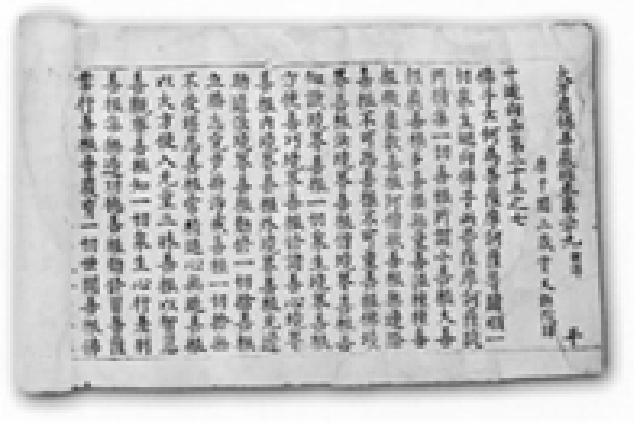
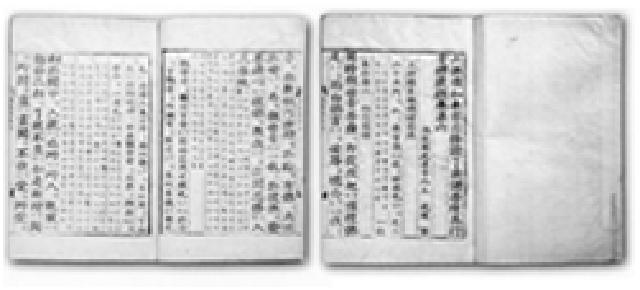
| [Avatamsaka Sutra (The Flower Garland Sutra), Zhou Version, the First Tripitaka Koreana Edition] - Category : National Treasure No. 257 - Classification : Woodblock manuscript - Period : Goryeo Avatamsaka Sutra (The Flower Garland Sutra), Zhou Version, the First Tripitaka Koreana Edition, is also called the Avatamsaka Sutra for short, and its basic idea is that Buddha and all beings are one, not two. |
|
| |
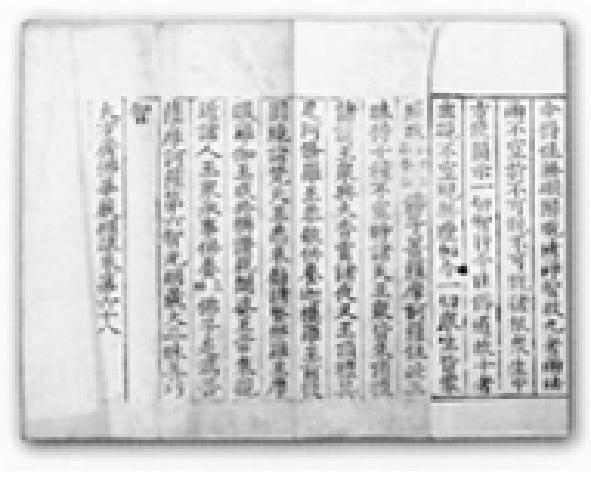
[Commentary on the Avatamsaka Sutra (The Flower Garland Sutra)] - Category : National Treasure No. 1013 - Classification : Woodblock manuscript - Period : Joseon Dynasty This is a fundamental scripture of the Hwaeom Order, which, along with the Lotus Sutra, had an important influence on the establishment of Korean Buddhist ideology. |
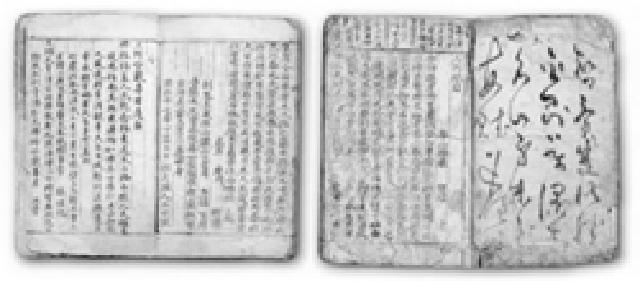
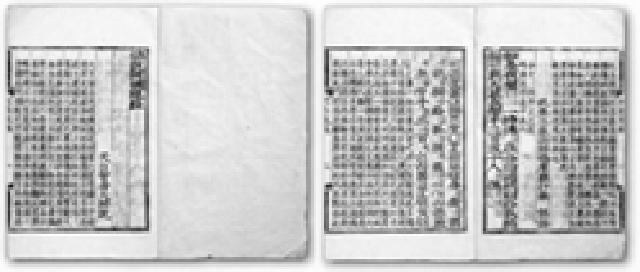
| Incheon Anmok (Vision of Five Supreme Patriarchs)] - Category: National Treasure No. 1015 - Period: Joseon Dynasty A book written by the Song Dynasty monk Jiso, summarizing the basic ideas of the five orders of Buddhism and the doings of their founders. It was originally published by Kang Geumgang, who was active in the Yuan Dynasty in the 6th year of King Gongmin of Goryeo, and was reprinted in the 4th year of King Taejo of the Joseon Dynasty at Hwaamsa Temple. |
|
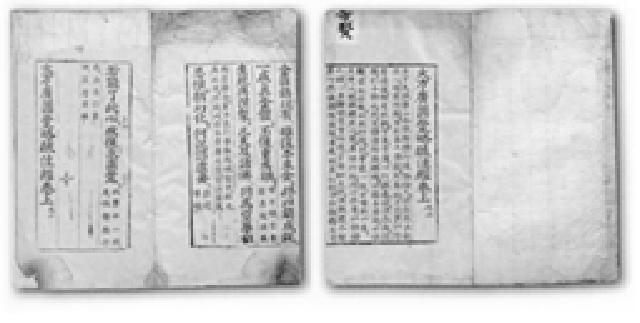
| [Annotated Mahavaipulya purnabudha Sutra (The Complete Enlightenment Sutra)] - Category : National Treasure No. 1016 - Classification : Woodblock manuscript - Period : Goryeo It's called the Complete Enlightenment Sutra for short, and is a sutra that speaks of great theories and practices. It served as a guide to Buddhist practice, and is one of the curriculum subjects for Korean monks. |
|
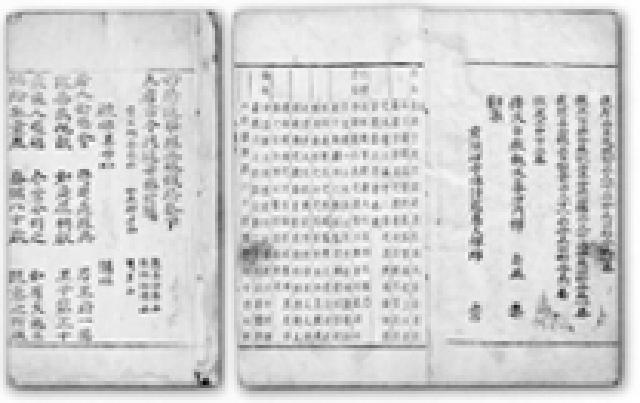
| [Avatamsaka Sutra (The Flower Garland Sutra)] - Category : National Treasure No. 1017 - Classification : Woodblock manuscript - Period : Goryeo This is a fundamental scripture of the Hwaeom Order, which, along with the Lotus Sutra, had an important influence on the establishment of Korean Buddhist ideology. |
|
| [Shurangama Sutra (The Sutra of the Heroic One)] - Category : National Treasure No. 1049 - Classification : Moveable metal type - Period : Joseon It is also called the Shurangama Sutra, and it is an essential sutra for monks to learn during their training, and its main idea is to have power by actually experiencing the Buddha's words, not just understanding them in your head. |
|
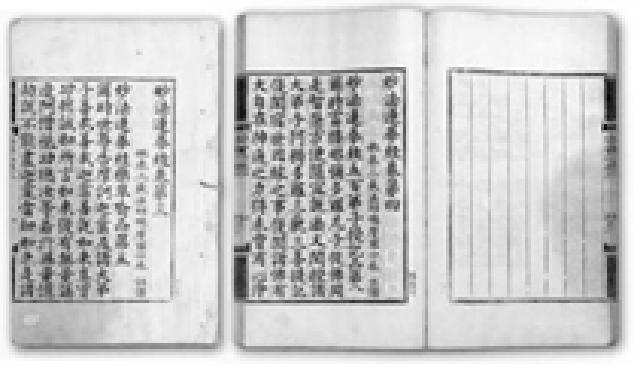
| [Amitabha Buddha Sutra] - Category : National Treasure No. 1050 - Classification : Woodblock manuscript - Period : Joseon It is one of the Three Pure Land Sutras, along with the Sukhavativyuha Sutra and the Amitayurdhyana Sutra, and explains the majesty of Amitabha Buddha and the Pure Land, and centers on the idea that chanting Amitabha in unity will lead to rebirth in paradise. |
|
| [Saddharmapundarika Samadhi (Meditation on the Lotus Sutra)] - Category : National Treasure No. 1162 - Classification : Woodblock manuscript - Period : Goryeo It is also known as the Lotus Sutra, and its main idea is that the path to becoming a Buddha is open to everyone. |
|
| [Saddharmapundarika Sutra (The Lotus Sutra)] - Category : National Treasure No. 1164 - Classification : Woodblock manuscript It is also known as the Lotus Sutra, and its main idea is that the path to becoming a Buddha is open to everyone. |
|
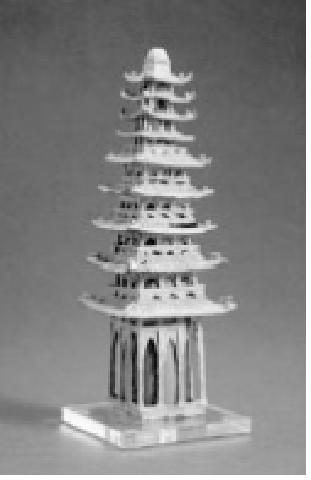
| [Danyang Guinsa Temple Gilded Bronze Nine-Story Small Pagoda] -Category: Chungcheongbuk-do Tangible Cultural Heritage No. 209 -Classification: Gilded Bronze Pagoda -Period: Goryeo It is a small, square-shaped, nine-story pagoda that mimics the style of a wooden pagoda and is made of bronze and gilded. |
|
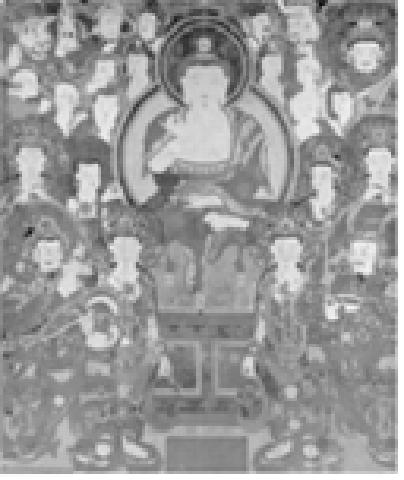
| [Danyang Guinsa Temple Amitabha Wall Painting] -Category: Chungcheongbuk-do Tangible Cultural Heritage No. 210 -Classification: Buddhist Painting -Period: Joseon It is an Amitabha wall painting with Amitabha Buddha as the main figure, and depicts the nine grades of rebirth. |
|
| [Danyang Guinsa Temple Celadon Bowl] -Category: Chungcheongbuk-do Tangible Cultural Heritage No. 210 -Period: Goryeo The celadon bowl is a Goryeo Dynasty household vessel that has high cultural value due to its blue color, smoothness, and good preservation. |
Map
- Address
- 73, Guinsa-gil, Yeongchun-myeon, Danyang